
Luffy vs Claude Tag
Compare Luffy, an AI employee inside Slack, with Claude Tag across setup time, model choice, cost, workspace memory, support, and cross-app work.
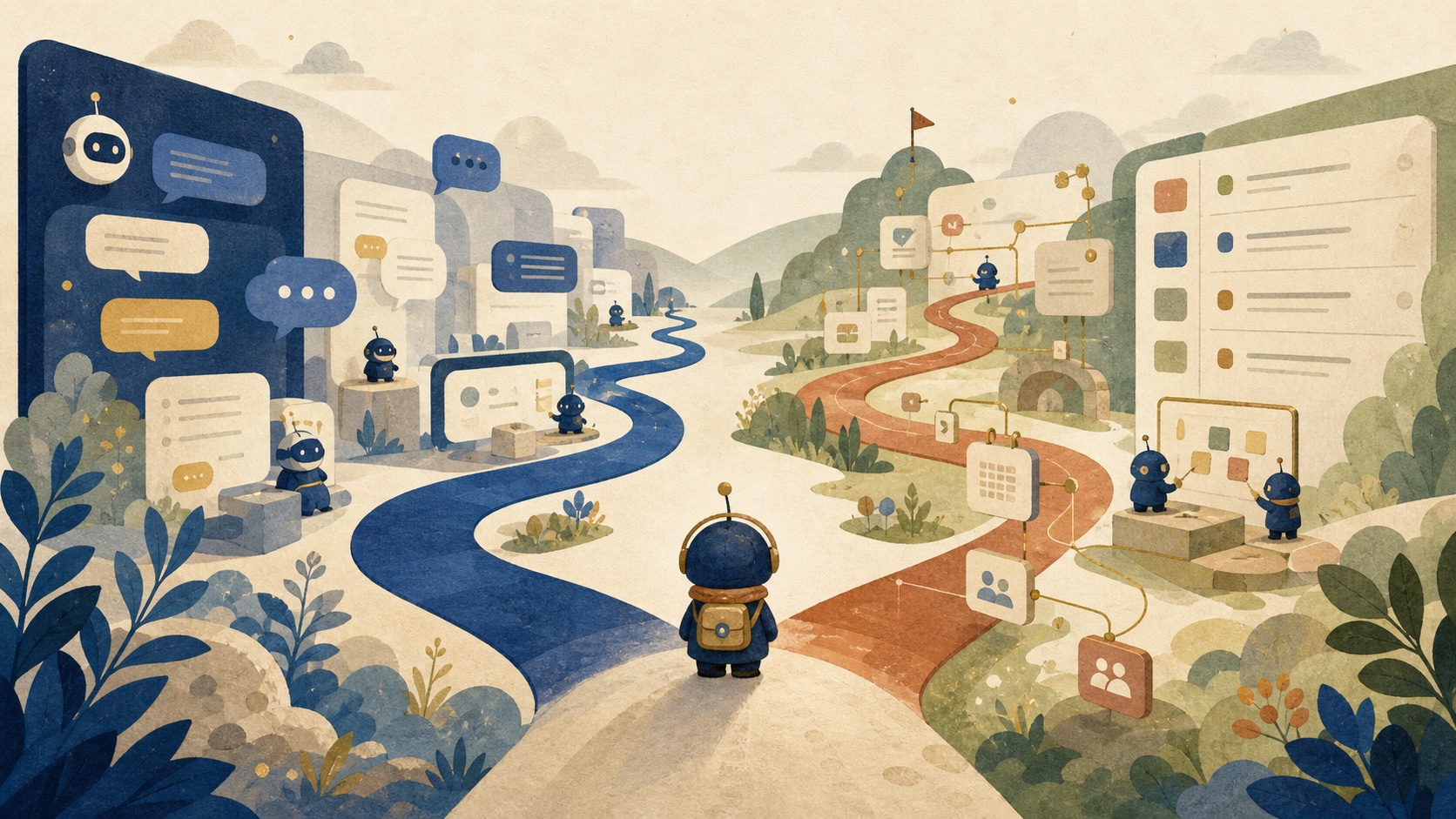
Claude Tag and Luffy both put AI in Slack, but they are not the same buying decision. Claude Tag is Anthropic’s Slack teammate, configured around selected channels, tools, and Claude models. Luffy is an AI employee inside Slack that remembers the workspace, connects to the tools a team already uses, and executes tasks across them. The practical differences are setup time, model choice, cost, and who helps you make it work after the sale.
The short comparison
| Dimension | Luffy | Claude Tag |
|---|---|---|
| What you get | An AI employee in Slack that remembers the workspace and executes work across connected apps. | Anthropic’s collaborative Claude experience inside selected Slack channels. |
| Setup time | Self-serve: connect Luffy to Slack and start in about 30 minutes. | At least two weeks for the sales process, access approvals, admin provisioning, tool permissions, and rollout. |
| Model choice | No model lock-in. | Built around Anthropic’s Claude; launch materials specify Opus 4.8. |
| Cost model | Use open-source and right-sized models by task; Luffy is roughly one-tenth the price for comparable work. | Premium Anthropic model pricing without the same cross-provider model routing. |
| Workspace memory | A living memory of projects, conversations, documents, and past decisions. | Memory and access are scoped to administrator-defined channel identities. |
| Cross-app work | Research, enrich leads, update the CRM, find stale deals, draft follow-ups, and run scheduled workflows. | Connect the tools, data, and codebases Anthropic supports for the configured Claude identity. |
| Support | A dedicated relationship manager plus 24/7 human support. | Your team works through Anthropic’s sales, admin, and support process. |
| Target companies | Mid-market companies and SMBs. | Enterprise companies. |
Setup time is the first difference
Luffy is self-serve and takes about 30 minutes to set up. Claude Tag can take at least two weeks once you include the sales process, access approvals, admin provisioning, tool permissions, and rollout.
That is the difference between starting a real workflow today and waiting for the pieces to line up. With Luffy, you can connect Slack and your tools, get help from a human, and start working the same day.
No model lock-in
Claude Tag is tied to Anthropic’s model family. Luffy is not locked to one provider: its router can use open-source models and different model sizes depending on the task.
Simple extraction or classification can go to a smaller, cheaper model while harder reasoning gets a stronger one. You are not paying premium-model rates for every request.
Luffy costs about one-tenth as much
Claude Tag keeps your team inside Anthropic’s premium model pricing. Luffy can use open-source and smaller models for the work that does not need the most expensive model.
For comparable work, Luffy can deliver similar or better results at roughly one-tenth the price of Claude Tag. That means your team can run more workflows without turning every task into a premium-model bill.
Luffy is built around the finished task
Luffy does not stop at finding information or telling someone what to do. You can ask it for a morning leadership brief, have it research and enrich new leads, update the CRM, find deals that are going stale, or draft follow-ups. It looks across the connected tools, uses the context it has learned about the workspace, and brings the result back to Slack.
That is the idea behind a company brain: the team’s projects, conversations, documents, and past decisions become useful context for the next piece of work. Luffy can also run repeatable workflows on a schedule, so the team is not rebuilding the same report or chasing the same handoff every week.
Claude Tag stays within the channel
Claude Tag brings a shared Claude identity into selected Slack channels, so teammates can tag it and follow the work. That can make sense for teams already invested in Claude.
Luffy is designed around a broader team workspace. Its memory carries company context across projects, conversations, documents, and past decisions, and the work can move from Slack into the CRM, documents, analytics, and other business systems before it comes back to the thread.
There is a human on the other side
Luffy gives you a dedicated relationship manager and 24/7 human support. You have someone to help with setup, customization, questions, and getting a workflow unstuck.
With Claude Tag, your team goes through Anthropic’s standard sales, account, admin, and support process. That is different from having a person who knows your workspace and can help right away.
Compare the same workflow, end to end
Do not compare these products with a prompt contest. Give both the same job, such as a weekly growth report, a renewal brief, or a lead-enrichment workflow, and look at the whole path.
- How long did it take to get access and connect the required tools?
- Did the agent use the right source and remember the context without repeated explanation?
- Could it complete the task across apps, or did a person have to move the work between systems?
- What did the run cost when the system used the right model for the job?
- Who do you contact when the workflow needs a change or something fails?
That test gives you a much better answer than a feature list. It measures the thing your team is actually buying: finished work with less coordination.
Choose by the work you want to finish
Choose Claude Tag when your team already runs on Anthropic, wants a collaborative Claude identity in selected Slack channels, and is comfortable owning the admin setup and model choice.
Choose Luffy when you want an AI employee in Slack that can start in about 30 minutes, remember the workspace, use the right model for each task, execute across your apps, and come with a dedicated person for setup and customization.
Continue the work
Sources used in this guide
Luffy security and compliance overview; Anthropic’s Claude Tag launch announcement; Anthropic’s Claude Tag Slack webinar page; Anthropic’s Claude Team billing information; Anthropic’s model pricing documentation.
Frequently asked questions
How fast can a team set up Luffy compared with Claude Tag?
Luffy is self-serve and can usually be started in about 30 minutes. Claude Tag requires a sales process, eligible Claude Team or Enterprise access, admin provisioning, tool permissions, and rollout; for a new customer, that can take at least two weeks.
Can Claude Tag use open-source models?
Claude Tag is built around Anthropic’s Claude models; Anthropic’s launch materials specify Opus 4.8. Luffy is not locked to one provider and can route different tasks to different model sizes and open-source models.
Why can Luffy cost less?
Luffy can use smaller or open models for simpler tasks and reserve stronger models for harder work. For comparable work, Luffy can cost roughly one-tenth as much as Claude Tag.
Does Luffy provide onboarding support?
Yes. Luffy provides a dedicated relationship manager and 24/7 human support for setup, customization, first workflows, and ongoing questions.